
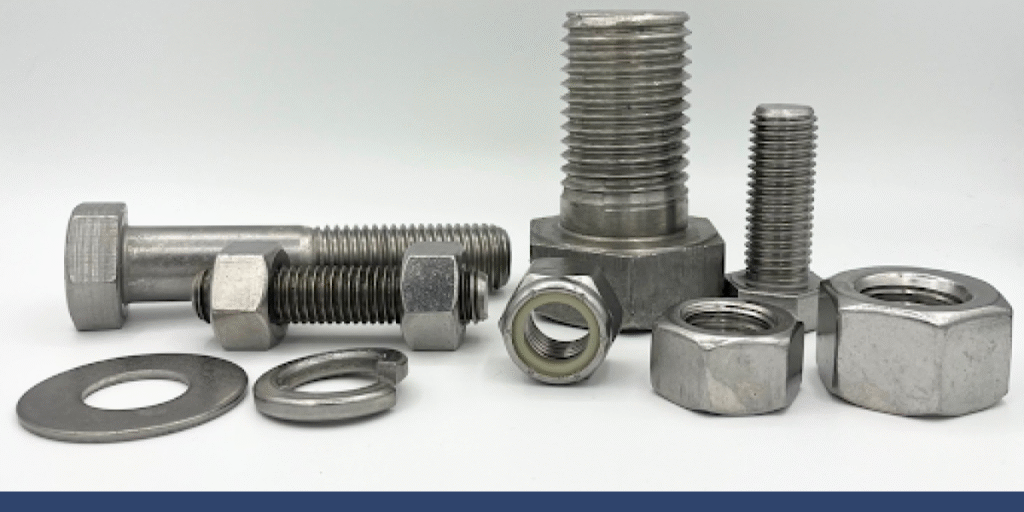
Stainless steel fasteners are small but critical components used to join, fix, or hold parts together in almost every industry. Because they resist rust, handle heavy loads, and last for years with minimal maintenance, they are preferred over regular fasteners in demanding environments. From large factories to everyday household fittings, stainless steel fasteners play a vital role in safety, strength, and durability.
This blog explains what a fastener is, the types of fasteners, and where SS fasteners are most commonly used, based on real user search intent and industry needs.
What Is a Fastener?
Why Stainless Steel Fasteners Are Preferred
Before understanding applications, it’s important to know why SS fasteners are widely used:
- Excellent corrosion and rust resistance
- High strength and load-bearing capacity
- Long service life
- Low maintenance
- Clean and attractive finish
- Safe for food and medical use
These benefits make stainless steel fasteners ideal for both industrial fastener applications and everyday use.
Types of Fasteners Used in Stainless Steel
|
Fastener Type |
Common Use |
|
Bolts |
Heavy machinery, steel structures |
|
Nuts |
Used with bolts for tight fastening |
|
Screws |
Wood, metal sheets, equipment panels |
|
Washers |
Distribute load and prevent loosening |
|
Studs |
High-temperature and pressure systems |
|
Anchors |
Concrete and construction fixing |
Where Are Stainless Steel Fasteners Commonly Used?
1. Construction and Infrastructure
Stainless steel fasteners are widely used in:
- Bridges
- Buildings
- Railings
- Facades
- Structural steel frameworks
They are preferred because they can withstand rain, pollution, and temperature changes without corroding.
2. Oil, Gas, and Chemical Industries
In chemical plants and refineries, fasteners face:
- High pressure
- Extreme heat
- Corrosive chemicals
Stainless steel fasteners provide safety and reliability in pipelines, valves, flanges, and reactors.
3. Food Processing and Dairy Industry
Hygiene is critical in food-related industries. Stainless steel fasteners are used in:
- Food processing machines
- Conveyors
- Storage tanks
- Dairy equipment
They do not react with food, are easy to clean, and meet safety standards.
4. Pharmaceutical and Medical Equipment
The pharma industry uses stainless steel fasteners in:
- Cleanroom equipment
- Medical devices
- Surgical tools
- Processing machinery
Their corrosion resistance and non-contaminating nature make them ideal for sterile environments.
5. Automotive and Transportation Industry
In vehicles and transport systems, SS fasteners are used in:
- Engine components
- Exhaust systems
- Chassis parts
- Railway coaches
They handle vibration, heat, and long-term stress effectively.
6. Marine and Coastal Applications
Marine environments are highly corrosive due to saltwater. Stainless steel fasteners are essential in:
- Ships and boats
- Docks and ports
- Offshore platforms
They prevent rust and ensure long-lasting performance.
7. Power Plants and Energy Sector
Power generation facilities use stainless steel fasteners in:
- Thermal plants
- Solar structures
- Wind turbines
- Nuclear facilities
Their strength and heat resistance support safe operations.
8. Household and Commercial Use
Even daily-use products rely on SS fasteners:
- Furniture
- Kitchen equipment
- Bathroom fittings
- Electrical panels
They provide a clean look and long service life.
Role of Stainless Steel Fasteners Manufacturer in the Fastening Industry
A reliable stainless steel fastener manufacturer plays a key role in the fastening industry by ensuring:
- Accurate dimensions
- Certified material grades
- Consistent quality
- Compliance with international standards
Industries depend on manufacturers for customized fasteners that meet exact technical requirements.
Stainless Steel Grades Commonly Used for Fasteners
|
Grade |
Key Features |
Typical Use |
|
SS 304 |
Good corrosion resistance |
General industrial use |
|
SS 316 |
Superior corrosion resistance |
Marine & chemical |
|
SS 310 |
High temperature resistance |
Furnaces & heat systems |
How Stainless Steel Fasteners Help Industries
Stainless steel fasteners:
- Reduce maintenance costs
- Improve structural safety
- Increase equipment life
- Prevent unexpected failures
This is why they remain essential across industries worldwide.
Stainless steel fasteners may seem small, but they are critical to the strength, safety, and reliability of modern industries. Understanding what a fastener is, the types of fasteners, and where SS fasteners are commonly used helps businesses make better, long-lasting decisions in the fastening industry.
FAQs
Stainless steel fasteners are used to securely join components in construction, machinery, food processing, chemical plants, and marine applications. Their corrosion resistance makes them ideal for harsh environments.